
FORE MORE INFORMATION, OR A FREE, NO OBLIGATION HOME DEMONSTRATION, CALL US TODAY ON 01423 500454
CCTV & HOME AUTOMATION
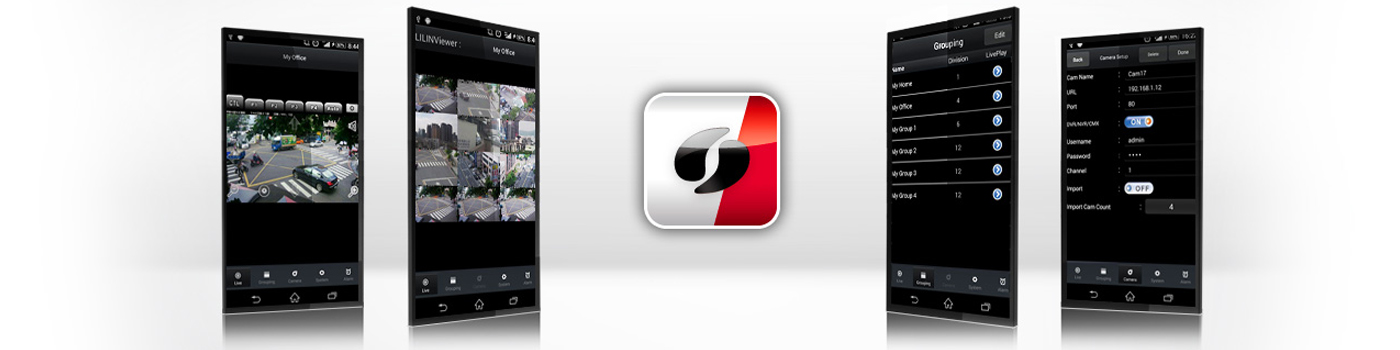
By integrating your CCTV system into your Home Automation controller you can make the operation of the CCTV far easy to use, whether its controlled via one signal App which accesses all of your products on a Home Automation system from anywhere in the world, including viewing your CCTV system or integrating the cameras so that they can be viewed and controlled on any or all Televisions in the home. Enhance’s basic principal with Home Automation is to make things easier to use, that includes your security system, from Burglar Alarm to CCTV.
For more information call our team of consultants on 01423 500454.
CCTV: THE BASICS
One of the main factors behind the growing popularity of CCTV in UK domestic settings has been the rise in availability of broadband. Via simple networking and IP (Internet Protocol) technology, users can gain ready access to footage either via a TV within the property or by streaming video to mobile devices and PCs at work or whilst away on holiday.
Even given this modern-day background, CCTV is still often regarded as a standalone technology, at best linked only to the alarm system. However the capacity now exists to easily and cost-effectively integrate CCTV into home automation for increased interactivity and ease of use. Indeed, the falling costs of such systems means that CCTV is now a sensible option for any home owner aware of security risks to their property.
ANALOGUE CCTV
A typical analogue system is composed of three main parts, namely the cameras, the recording/transmission device and the user interface. In a stand alone non-networked installation, the recorder and interface are often contained in one unit – in a system with multiple cameras, common practice is for them to feed directly into a single recording/camera management device. The downside here is that interaction is limited to recording and accessing stored video, although it does fulfil the most basic requirements of a CCTV system.
IP BASED CCTV
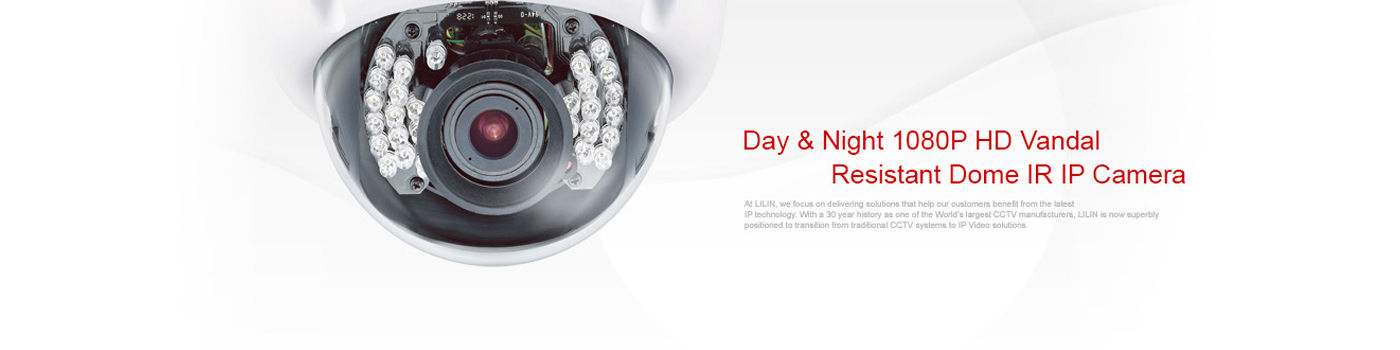
IP-based CCTV is increasingly replacing analogue systems, especially in cases where the property is new-build or being totally renovated. Of the several reasons why this is the case, the most compelling is that everything needed to stream live video over networks is already included in the IP camera – by simply connecting it to a network, users can view, record or administer from an online device anywhere in the world.
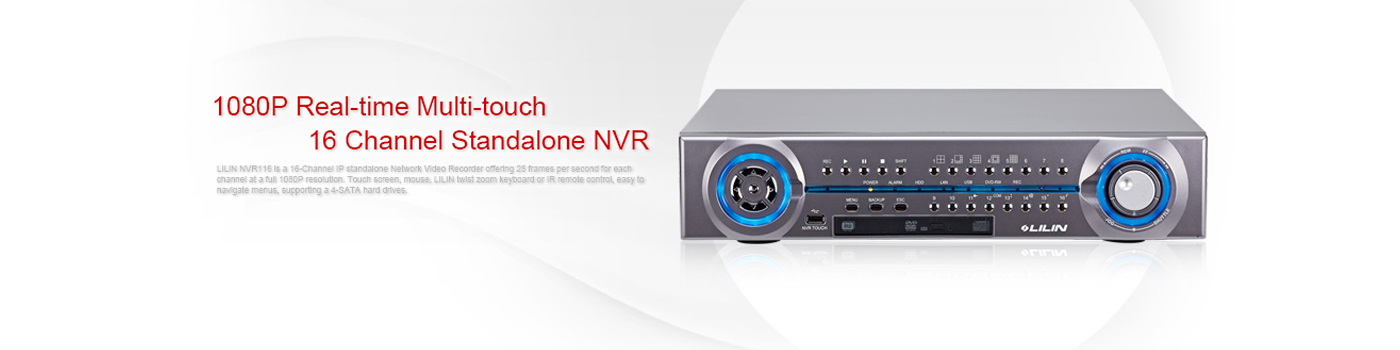
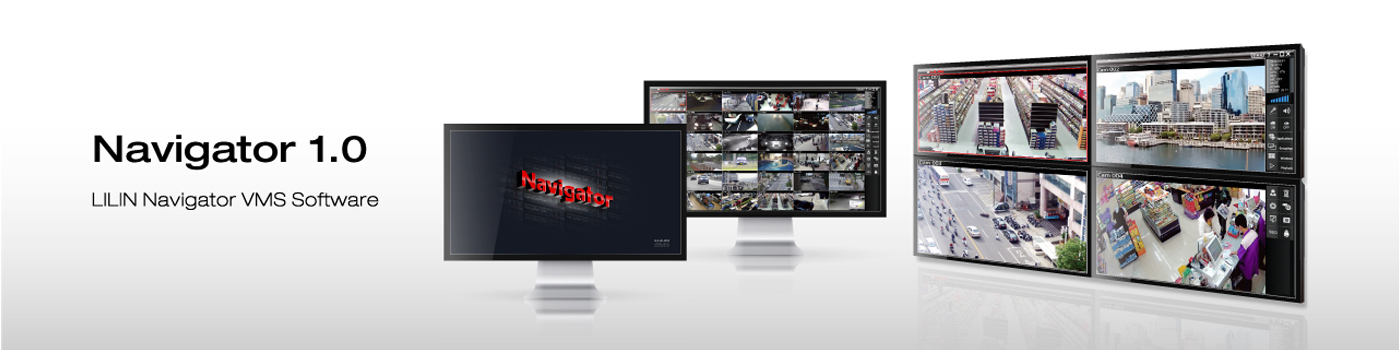
LILIN
Our preferred brand concerning CCTV is Lilin, however we have access to less expensive ranges from our various suppliers.
For more information on our preferred brand, visit our Lilin Page, or call us to discuss your CCTV requirements on either of the numbers below.